The portals will tell you Noblesville's median sale price sits right around $400,000, up a fraction of a percent year over year, with homes moving in roughly 54 to 57 days. That number is accurate. It is also misleading in a way that matters if you are writing an offer this summer.
Noblesville is not one market. It is two markets averaged together, and the line between them is about to shift. The Reimagine Pleasant Street corridor opens fully by the end of summer, the east side is stacking employers and amenities faster than the comps have caught up, and the "median home in Noblesville" is a statistical convenience that does not exist on any street. If you are shopping here without a working theory about which half you are buying into, you are relying on a number that averages away the decision.
The friction that shows up at the appraisal, not the listing
The first place the east-west split bites buyers is the appraisal, not the search filter. When a lender pulls comparables in a market where a 1980s Old Town bungalow and a 2024 production home in Silo Ridge both cross the sold report at similar prices, the adjustments get messy. A few patterns to expect when you are under contract this summer:
- Renovated historic homes near the Courthouse Square appraise against a thinner comp set, and a strong offer can outrun the paper.
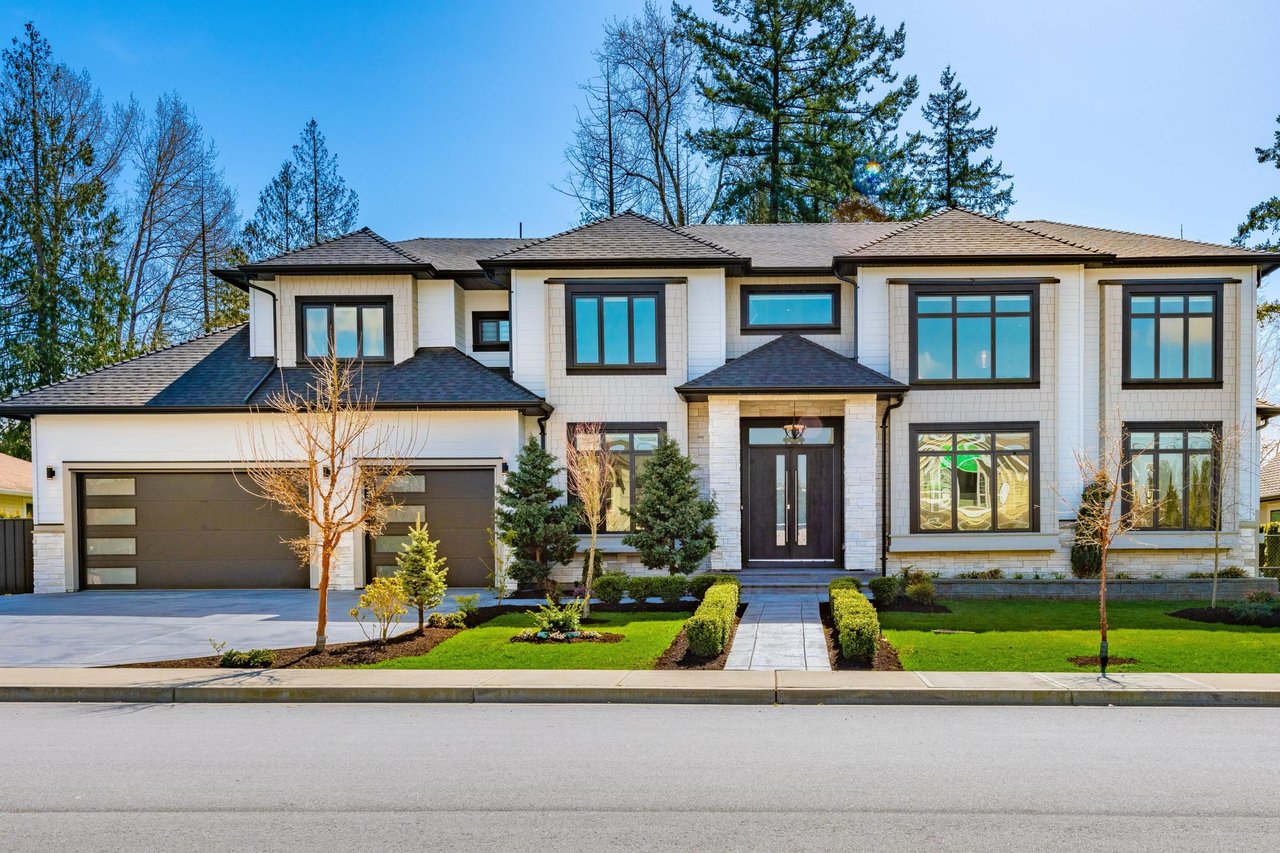
- East-side new construction in communities like Marilyn Woods, Silo Ridge, and Branson Reserve tends to appraise cleanly because the builder is still closing similar floorplans down the street.
- Inventory near the Pleasant Street corridor is being repriced on the fly as the road opens, and comps from six months ago no longer reflect access.
- With homes now selling at 98.43% of list on average in early 2026, sellers are leaving little room for appraisal shortfalls to be absorbed by concessions.
If your agent is not naming which submarket the comps came from, the risk is not theoretical.
What $400,000 buys on each side of the river
The clearest way to see the split is to stop looking at the median and start looking at the trade. The same money buys two different lives depending on which side of the White River you sign on.
| At roughly $400K | Historic / West of the River | East Side / Innovation Mile Orbit |
|---|---|---|
| Typical home | Older two-story or bungalow, some updated, some original systems | Newer build in Silo Ridge, Marilyn Woods, Branson Reserve, or resale from 2015 onward |
| Lot | Mature trees, sidewalks, smaller footprints | Larger and flatter, engineered drainage, HOA-managed common areas |
| Walk score | Federal Hill Commons, Courthouse Square, Pleasant Street trail links | None to speak of, but short drives to Riverview Health Arena and Hamilton Town Center |
| What you're really buying | Downtown access and character | Newer mechanicals and proximity to east-side job growth |
| Where the risk sits | Deferred maintenance, appraisal comp thinness | Future supply from ongoing east-side development |
Neither column is the "right" answer. They are different bets. A buyer who tours only west-side homes and then rejects the east side because "it doesn't feel like Noblesville" is choosing character over the mechanicals and commute math. A buyer who tours only east-side new builds and dismisses downtown as "old" is choosing predictability over the appreciation story tied to the Pleasant Street investment. Both trades are legitimate. Confusing one for the other is not.
The Pleasant Street mechanism
Here is the piece most out-of-market buyers miss. The $125 million Reimagine Pleasant Street project is not a road repair. It is a new east-west arterial cutting a 2.5-mile corridor from State Road 32 to just west of State Road 37, and its final phase opens by the end of summer 2026 according to reporting from WISH-TV and the city's own updates.
Project planners estimate the new corridor will pull roughly 20% of traffic off State Road 32 through downtown. That is the mechanism worth thinking about carefully.
Twenty percent less through-traffic on Conner Street reshapes what a house two blocks off the Square is actually worth to live in. It also makes the south end of downtown, historically the quieter, less commercial edge, into new frontage. Indianapolis-based Flaherty & Collins has already filed plans for The Granary, a $67 million apartment project on the former Noblesville Milling Co. site along the corridor. Bier Brewery opened on South 10th Street. City officials expect that stretch to keep drawing mixed-use development for the next several years.
For a buyer, the practical read is this: a west-side home priced today reflects the road as it was during construction. A west-side home priced next spring will reflect the road as it functions. If you are shopping in the pocket between 8th Street and the White River, you are buying into a corridor whose access profile changes in the middle of your first year of ownership.
The east-side gravity the comps have not fully priced in
Meanwhile, the east side is not sitting still. Noblesville's Innovation Mile district has quietly assembled a set of anchors that would have been surprising to predict five years ago:
- The Riverview Health Arena at Innovation Mile, home of the Noblesville Boom, the Indiana Pacers G League affiliate
- USA Gymnastics, which chose the district for its Training & Wellness Center and headquarters
- The Mouratoglou Tennis Center, opening an academy near Innovation Mile
- BioLife Solutions, relocating its Indianapolis operations to nearby Washington Business Park
- Gatewood Lakes, a future residential subdivision that received a $4 million READI 2.0 award for a marquee pedestrian boulevard connecting it to the Arena
- The final section of the Midland Trace Trail, completing a 40-mile loop connecting Noblesville, Fishers, Indianapolis, Carmel, and Westfield
None of that shows up in a Zestimate. It shows up in three-year appreciation curves and in how quickly a specific east-side subdivision moves once employer households start their searches. Buyers who write off the east side as "just subdivisions" are pricing a snapshot, not a trajectory. Sellers who assume their east-side home is worth what the neighbor down the street closed at last September are pricing a stale comp.
Reading the current market data through the split
With that framework in place, the March 2026 numbers make more sense. Median sale price sits at $400,000, essentially flat year over year. Inventory is at 1.3 months of supply, which is still tight by any historical measure but far looser than the frantic 2021 to 2022 stretch. Homes are selling in around 54 to 57 days, up sharply from roughly 20 days a year ago, and closing at 98.43% of list.
Flat median plus longer days on market plus near-list closings is the fingerprint of a bifurcated market. The average is being held up by well-priced homes moving quickly in strong submarkets, while mispriced or wrong-submarket homes are sitting until they reprice. That is not a market cooling uniformly. That is a market getting more discriminating.
For sellers, the takeaway is unglamorous. Days-on-market has tripled, and the buyers who are still writing offers are doing so with more information and more patience than they had two years ago. Pricing to the submarket, not to the citywide median, is the difference between a strong opening weekend and a stale listing.
For buyers, the takeaway is that the ~2% appreciation on the citywide Zillow Home Value Index is masking a wider range of outcomes at the submarket level. The best-positioned properties, close to Pleasant Street access, walkable to Federal Hill Commons, or inside a well-run east-side community with completed amenities, are appreciating faster than the headline suggests. The rest are catching up more slowly. The median hides both.
A few questions the median cannot answer
Will Pleasant Street opening reduce home values on Conner Street where traffic is being pulled off? Historically, reduced through-traffic on a formerly congested corridor has been a net positive for adjacent residential value, but the specific effect on Conner Street will depend on which segments become genuinely quieter versus which remain retail-oriented. It is a question worth asking your agent to walk block by block.
Is now a bad time to buy new construction on the east side given how much is still being built? Ongoing supply is a real consideration. Communities like Silo Ridge, The Timbers, The Lakes at Finch Creek, and Pebble Brook Crossing are all actively selling. The counter-argument is that the employer and amenity base being assembled around Innovation Mile is unlikely to be duplicated elsewhere in Noblesville in the next several years.
Does the citywide median match my specific neighborhood? Almost certainly not. The citywide $400,000 figure blends historic infill, 1990s subdivisions in the northeast, new construction along Boden Road, and everything in between. A useful comp set is drawn from your specific submarket over the past 90 days, not a citywide monthly average.
If you want a read on your specific block
The two-market read is only useful if it is applied to the actual house you are buying or selling. That is the conversation worth having with someone who tracks these submarkets weekly, not quarterly. The team at Reggie Jackson works Noblesville the way it actually behaves, not the way the median suggests it does. Schedule your free neighborhood consultation and let's talk about which side of the split your next move belongs on.